
Celebrate Chardonnay Day with British Columbia Wines
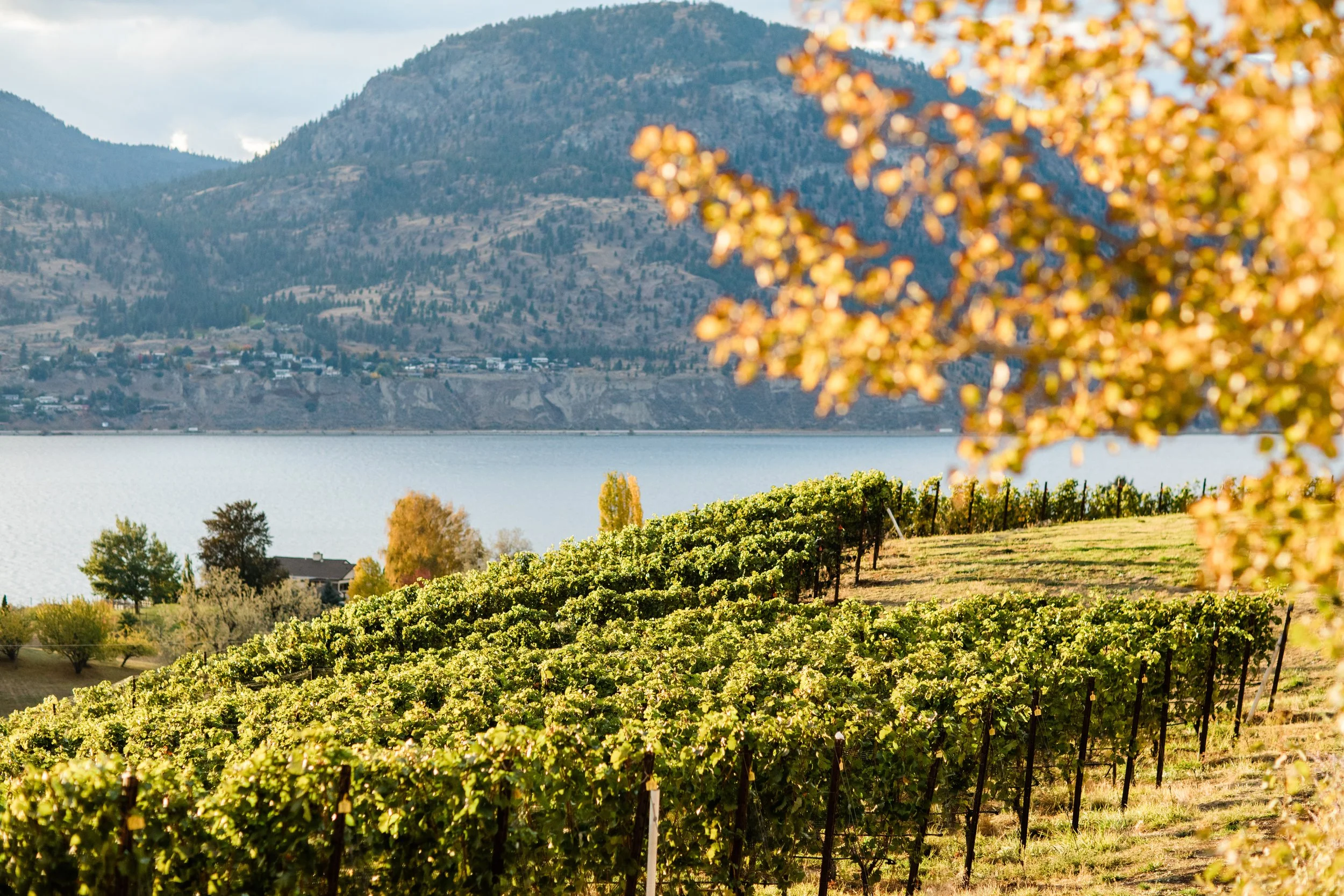
Photo credit: Wines of BC
Chardonnay is immensely popular and the most widely distributed wine grape in the world. But it is also maligned. We find ourselves currently in a very fortunate time and place in the history of wine production where quality and transparency are increasingly valued. However, it was not always this way, and some sins of the past leave their indelible mark in the present.
Before the 1980s, Chardonnay was relatively unheard of outside of France. By the 1990s, it had become a household name thanks to vigorous planting in the US and Australia, whose wines are labeled with grape variety as opposed to place of origin. Fast forward to today and you’ll find refreshing, respectable, even exciting Chardonnay from anywhere wine is made. So adaptable and versatile, it can be vinified into a myriad of wine styles. Therein lies both its allure and its dilemma.
There are non-trivial numbers of wine consumers who to this day will turn away Chardonnay. Now everyone has their own tastes and preferences, and I respect that. It’s also true that part of the ‘problem,’ if Chardonnay can be said to have one, is that some producers made (and still make) wines that are just not very good. Flabby butter bombs are not fun. Commercially-produced Chardonnay from hot regions like Australia can also be highly alcoholic, and attempts are made to make wines more appetizing by adding some sugar and/or acid. To cut costs, the quality of the fruit becomes secondary. For some high-production wines, oak chips or staves may be used instead of barrels. Yes, it’s cheaper, but it tastes like it too. Wine lovers are savvy though, and these tricks did not go unnoticed. The transgressions hurt, and Chardonnay’s reputation suffered.
Another source of derision for the Chardonnay-averse is the degree to which the wine may undergo malolactic conversion - more on this below. The resulting soft, slippery, rounder texture might put some people off if they’re expecting something light and snappy. The key is to nail the balance point between concentration and expression of fruit, acidity, mouthfeel, and body. No easy feat, but BC wine producers are up to the challenge. These days, it’s become commonplace to see limited use of new oak, and also only a portion undergoing malolactic conversion. This is the ‘New Wave’ of Chardonnays: fresher, more lively wines.
What defines Chardonnay in British Columbia? Let’s explore the fundamentals before opening up some fine examples from local producers.
The aromas and flavours of BC Chardonnay
Citrus character like lemon and lime, or green orchard fruits like pear and apple point to cooler climate conditions like those found in regions like Kelowna, Peachland, Summerland, Penticton, Kaleden, or Okanagan Falls. Slopes with north-facing aspect will also slow ripening and produce wines with these characteristics.
Riper, more tropical fruit like yellow apple, peach, or pineapple - these aromas and flavours are found in Chardonnay grown in warmer conditions such as Lillooet, Oliver, Osoyoos, Similkameen, or Naramata and Skaha benches which get longer afternoon sun exposure being on the east side of Okanagan Lake. The same effect can be achieved from south-facing slopes, which receive more concentrated sunshine, in otherwise more northern areas.
Wet stone/crushed rock/mineral character are common in BC Chardonnay and are generally associated with cooler conditions. Claims of a direct connection between soil mineral content and wine flavours are dubious. Nonetheless, the descriptor is useful because the perception of these aromas and flavours is real, even if their provenance is not understood. For some this is a highly desirable trait that contributes to complexity.
Flint or struck match aromas can result from reductive winemaking techniques, where exposure to oxygen is limited. This can be from using closed, stainless steel or concrete vessels, as oak allows some passage of oxygen into the wine. Again not necessarily a bad thing, but a matter of taste.
Baking spices like nutmeg, cinnamon, or vanilla come from the use of oak vessels, which is also common in BC Chardonnay production. Size matters - larger vessels have a far greater ratio of volume to surface area exposed to the wine, which imparts less influence overall. Your average wine barrel, the smallest size commonly used in winemaking, will give off the most of these flavours (when new).
Yeasty flavours like fresh bread or pastry come from the yeast, of course. As fermentation progresses, yeast cells die and fall out of suspension, collecting on the bottom of the vessel. Winemakers may choose to leave the wine in contact with this lees for extended periods, which can impart bready flavours and aromas. If lees stirring, or bâtonnage, is employed, this enhances the flavours further.
The essence of butteriness in Chardonnay comes about when more astringent malic acid is converted into creamier lactic acid, a natural process called malolactic conversion. This is another winemaking choice and only occurs if the wine is allowed to rest long enough at permissive temperatures, and is facilitated by lactic bacteria. Some people dislike the resulting texture and buttery flavours, picking up on it right away. I can appreciate that - but don’t shun a whole grape variety because of it! There’s much more to Chardonnay, as I hope you will see.
The colours of BC Chardonnay
Most are pretty similar, on the spectrum from pale to medium yellow. Longer oak aging will deepen the colour. Especially concentrated and sweet versions such as ice wine, although rare, will radiate an intense golden glow.
The texture of BC Chardonnay
As a fairly neutral varietal, texture is key when producing excellent Chardonnay. BC producers have different approaches to that end. Unoaked versions retain their fresh, lively, crisp acidity and zippy, electric excitement. For these, lees contact in inert vessels can also soften texture. Oaked wines, especially those with some degree of malolactic conversion, offer a creamier mouthfeel that feels more decadent and lush. Some fall in between with a balance between the two. There is a place for all styles!
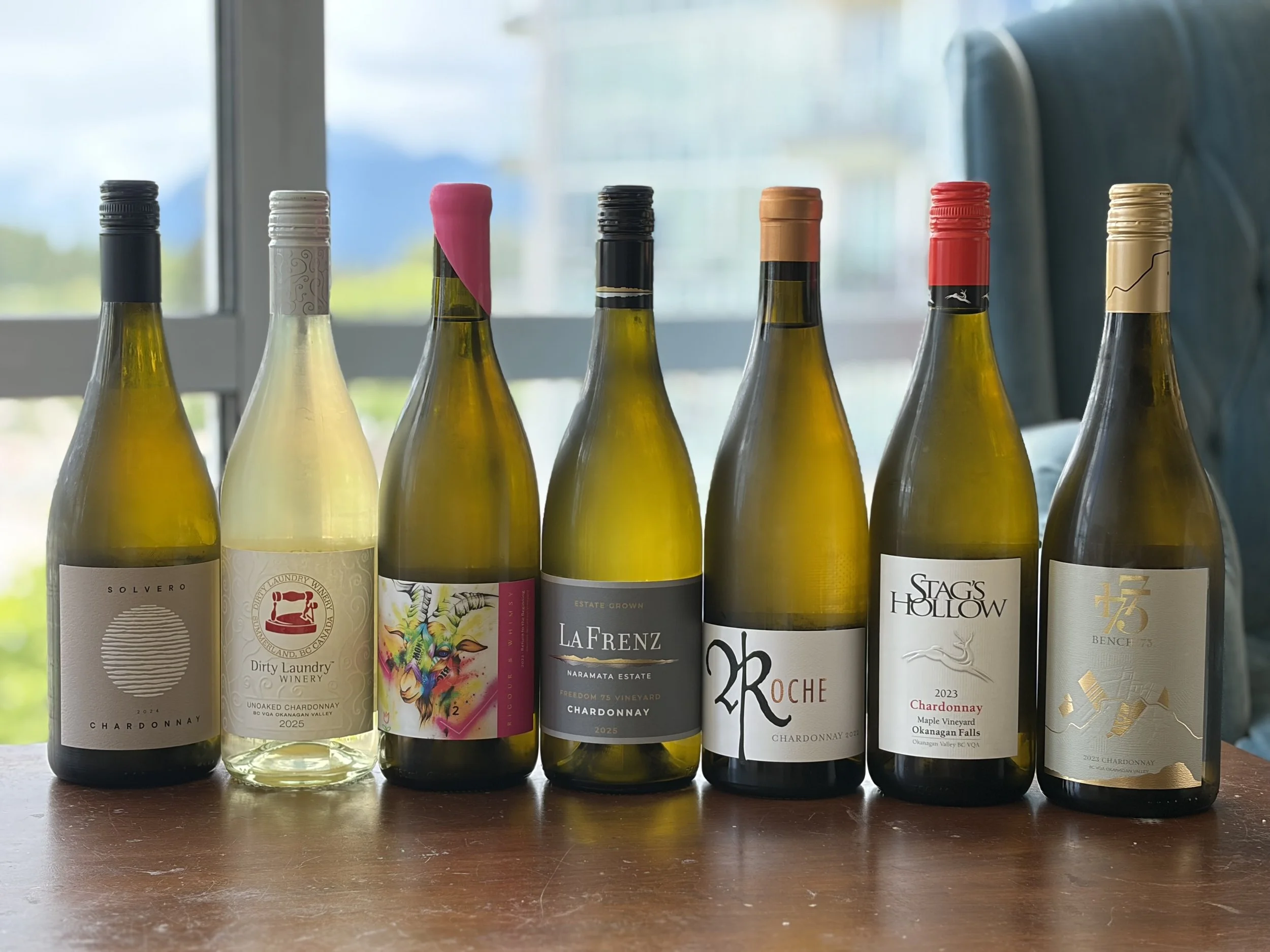
Featured wines
Roche Wines 2022 Chardonnay
Coming off a small parcel on the Domaine Roche Vineyard on the Naramata Bench, this Chardonnay is whole bunch pressed and fermented in 2nd and 3rd use French oak barrels. It rests 8 months on lees before bottling. There is profound ripe fruit character of nectarine, pear, apple, and citrus, with equally generous floral and savoury qualities of blossoms, sage, and baking spices. A delicate yogurty creaminess holds everything together in the middle. Still no more than medium bodied, it takes considerable finesse to make this much power feel elegant. Ripe fruit and spice on the finish complete this very forward Chardonnay.
Dirty Laundry Winery 2025 Unoaked Chardonnay
Stainless steel fermentation of destemmed and crushed 100% Okanagan Chardonnay gives you the unmistakable, ambrosial house style of Dirty Laundry. This wine will have you imagining palms swaying in the breeze, with ripe aromas of pear, apple, melon, plum, and white blossoms. The palate is dry and juiced up with soft, round fruit and a tasteful lick of refreshing acidity. It stays fruity and bright through to the summery finish. Super approachable and easy drinking, a prime example of unoaked BC Chardonnay and a delicious reflection of the 2025 vintage.
Stag’s Hollow Winery & Vineyard 2023 Chardonnay (Silver, Chardonnay Du Monde)
Sourced from the Maple Vineyard in Okanagan Falls - the first vintage from this newly acquired vineyard - this Chardonnay is fermented in a combination of stainless steel tanks and French oak barriques, hogsheads, and puncheons (30% new oak). All lots rest for 9 months on lees with periodic stirring, and complete malolactic conversion. This approach results in a style of oaked Chardonnay with broad appeal shaped by rounded, creamy texture. The pale gold colour hints at a slightly oxidative style and some development, which shows up as hay and some dried peach on the nose. Primary fruit emphasizes ripe lemon, apple, and charred peach, with botanical additions of dandelion and grass. Secondary characteristics lend warmth throughout, with buttery toast, vanilla, and marmalade owning the lush finish. A great start for the next chapter of Stag’s Hollow’s Chardonnay program.
Rigour & Whimsy 2022 Return to the Beginning
This is a whole new side of Chardonnay seldom explored. Sealed with a cork and dipped in hot pink wax, the wine presents as funky and renegade. Organic grapes from Secrest Mountain Vineyard in Oliver are whole-cluster pressed, with juice racked to barrels for fermentation. The wine was then aged 4 months in stainless steel, and bottled at 13.7% abv and 18 g/L residual sugar. The winemaker described the challenges of getting the ferment to complete dryness, due to the ripeness of the fruit, and some creative interventions were employed. There is a faint prickle of effervescence in the glass, perhaps some yeast still present doing their thing. The nose on this Chardonnay is loud and more aligned with a warm-climate, with a full roster of intense roasted lemon, spiced apple butter, caramelized pineapple, dried apricot and peach, orange peel, and daisies. Along the path from boisterous start to zesty finish, one encounters Chardonnay from a plump and tropical angle. Rustic and fun.
Solvero 2024 Chardonnay
For this vintage, Chardonnay was sourced from Chehalem Mountains AVA in Aebischer, Oregon, barrel fermented in 14% new and the rest neutral oak. Battonage was performed through partial malolactic conversion, and aged 11 months in barrel. Coming in at 12.5% abv, the style is agile and refreshing. An elegant presentation on the nose carries apple, lemon, and pear with butter, blossoms, thistle, and water crackers, dashed with clove spice. Ripeness is moderate, with bright and balanced citrus on the palate, cushioned with soft spice, and a tart, precise finish. Excellent handling, very classy.
La Frenz Winery 2025 Chardonnay
Mostly coming from Freedom 75 Vineyard on the Naramata Bench, with a bit off of Rockyfeller Vineyard in Oliver, all clones and vineyard blocks are processed separately. 70% is fermented in stainless steel, 30% in French oak (30% new barrels), with 4 months sur lie. Showing reductive character, this 2025 is young and fresh and will benefit from a few years aging in bottle. Right now, there is a flinty edge to the grapefruit, green apple, lemon, and daisy aromas. On the palate, ripe fruit aromas lead, followed by swells of soft oak spice. From a somewhat modest beginning, this wine escalates to great balance and length. If drinking now, I would recommend decanting. And at $25, buy it up.
Bench 1775 2023 Chardonnay (BC Wine Awards Top 50)
Summerland and Okanagan Falls grapes are used for this award winning small-lot Chardonnay (fewer than 100 cases). Dancing between fruit and savoury with a distinct mineral seam throughout, this is very BC. Lemon, pear, and plum on the nose shift to cookies, cloves, dried dill, butterscotch, and blossoms. Gravel and charcoal find space to fill any gaps. The palate is dry and structured with bright acidity, medium bodied, and finishes on dried flowers and citrus. Taught, snappy, and elegant.
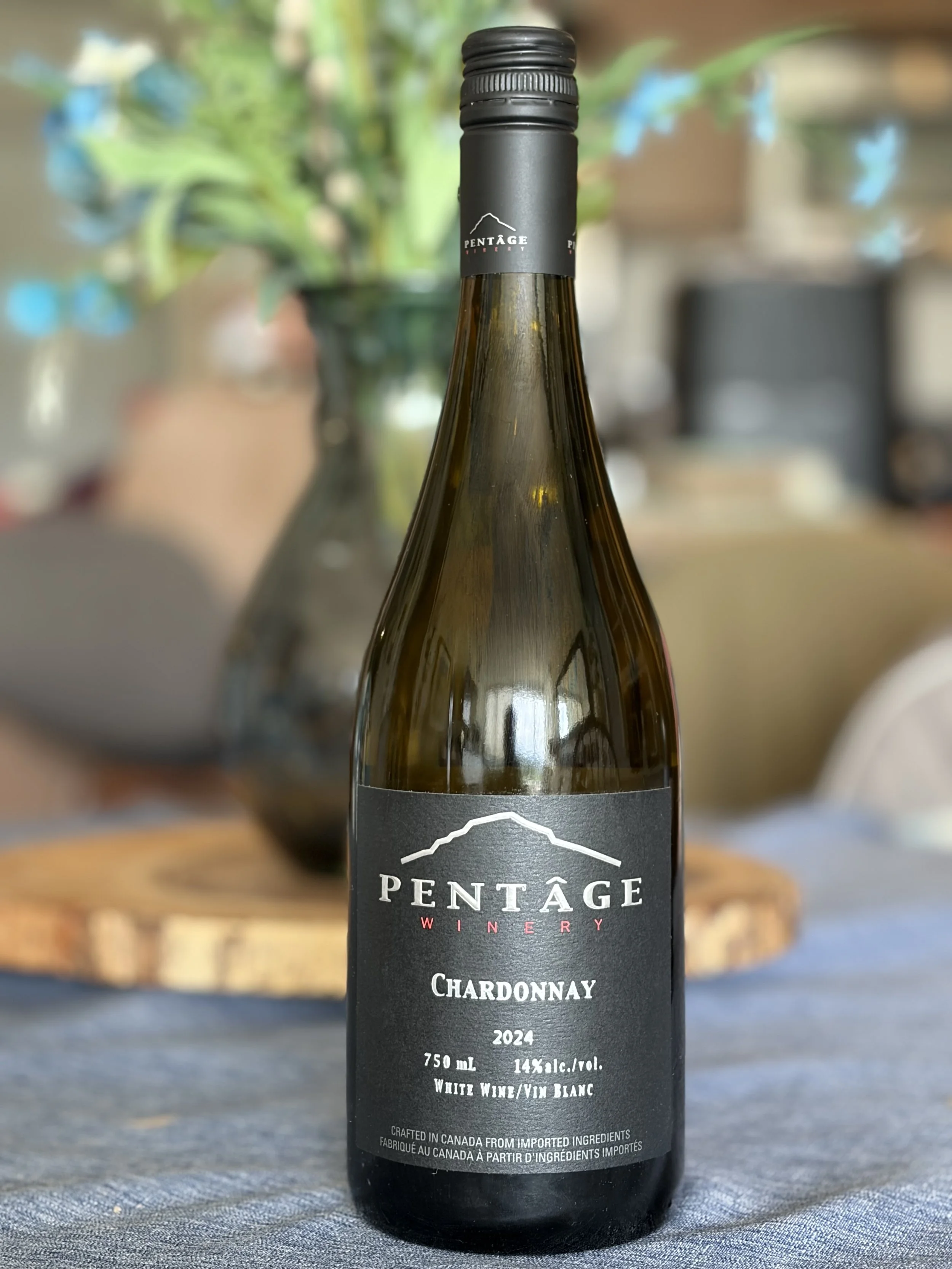
Pentâge Winery 2024 Chardonnay
Yakima Valley, Washington was the source of the grapes for this wine, pressed on site and trucked up to the Skaha Bench for vinification. Elevage was carried out in 2-4 year old French oak over 7 months. A deep gold colour has been acquired, and the wine appropriately emanates ripe fruit and earthy, oxidative character. Juicy pear, apple, lemon, and pineapple meet popcorn, straw, buttered mushrooms, and spices. Dry and savoury on the palate, there is no shortage of body (14% abv), juicy acidity, and a clean, citrus rind finish. Savoury and lush, drink now or hold a few years for more nutty/caramel development.
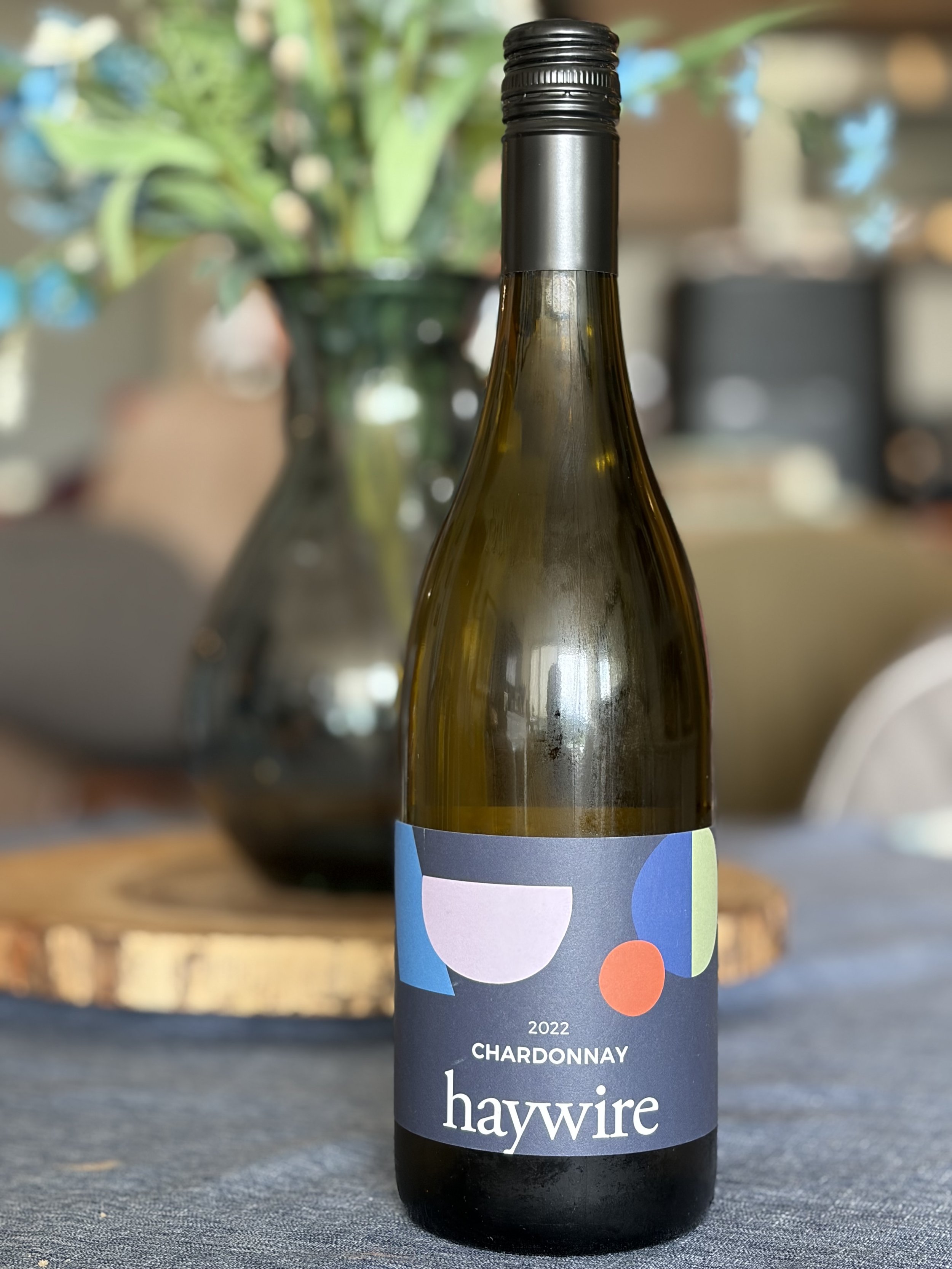
Haywire 2022 Chardonnay
Fruit sourced from Naramata is whole bunch pressed and thrown down the fermentation gamut of stainless, concrete, amphora, and foudre vessels, all with native yeast. The freshness and balance of the spectacular 2022 vintage is time-capsuled in this bottle, as vibrant as it ever was. The pear-apple-lemon paradigm has integrated some peppery cardamom spice and gentle butter notes, with nettle tea aromas adding further depth. The palate is dry and citrusy, enhanced with subtle oak softness and finishing with notable concentration. This Chardonnay epitomizes the New Wave style in BC.
Chardonnay food pairing
The term versatility is used for a lot of wines, but it can’t be more accurate than in the case of Chardonnay. Matching the body and intensity is much more important than flavours, because a light-bodied wine will be overwhelmed by a rich dish, and vice versa. The bottom line, as always, is: drink what you like. Here are some recommended pairings by Chardonnay style (expect some overlap!)
Unoaked - lightest in body, and could be either lean, citrusy and sharp, or have more ripe fruit character. Either are great with a platter of mild cheeses, grapes/pears/apples, and crackers. Shellfish and oysters are most welcome here. Also consider sushi, light salads with unsweetened dressings, or chicken pâté. The wine’s crisp acidity will also create a nice contrast with french fries or creamy pasta sauces. Rich, heavy foods will make the wine too abrasive.
Oaked - more full bodied Chardonnays with some malolactic conversion can better pair with rich dishes. Pork, roast chicken or white fish, aged cheeses, fall vegetables, and alfredo/carbonara/rosé pastas work well. You can go from buttery baked scallops on the patio, to sour cream and onion chips on the couch. Foods high in acidity will flatten out and dull the wine.
Sweetwines - for savoury options, blue cheese, sweet and spicy Korean chicken, or seared foie gras. For dessert, the wine should be sweeter than the food - sorbet, crème brûlée, tarte au citron, or cheesecake. Indulge - you deserve it.
Final Thoughts
It’s clear from the results of this tasting that BC is flying the flag of New Wave Chardonnay. Producers have their fingers on the pulse of evolving styles and are making wines with structure, vibrancy, balance, and minimal intervention. Wines that feel alive! As quality continues to climb, BC’s performance domestically and internationally with respect to Chardonnay is very encouraging and something to be proud of.
Blog post written by: Matt Tinney, Contributor, uncorkBC