
A Primer On BC’s Exceptional Sparkling Wines
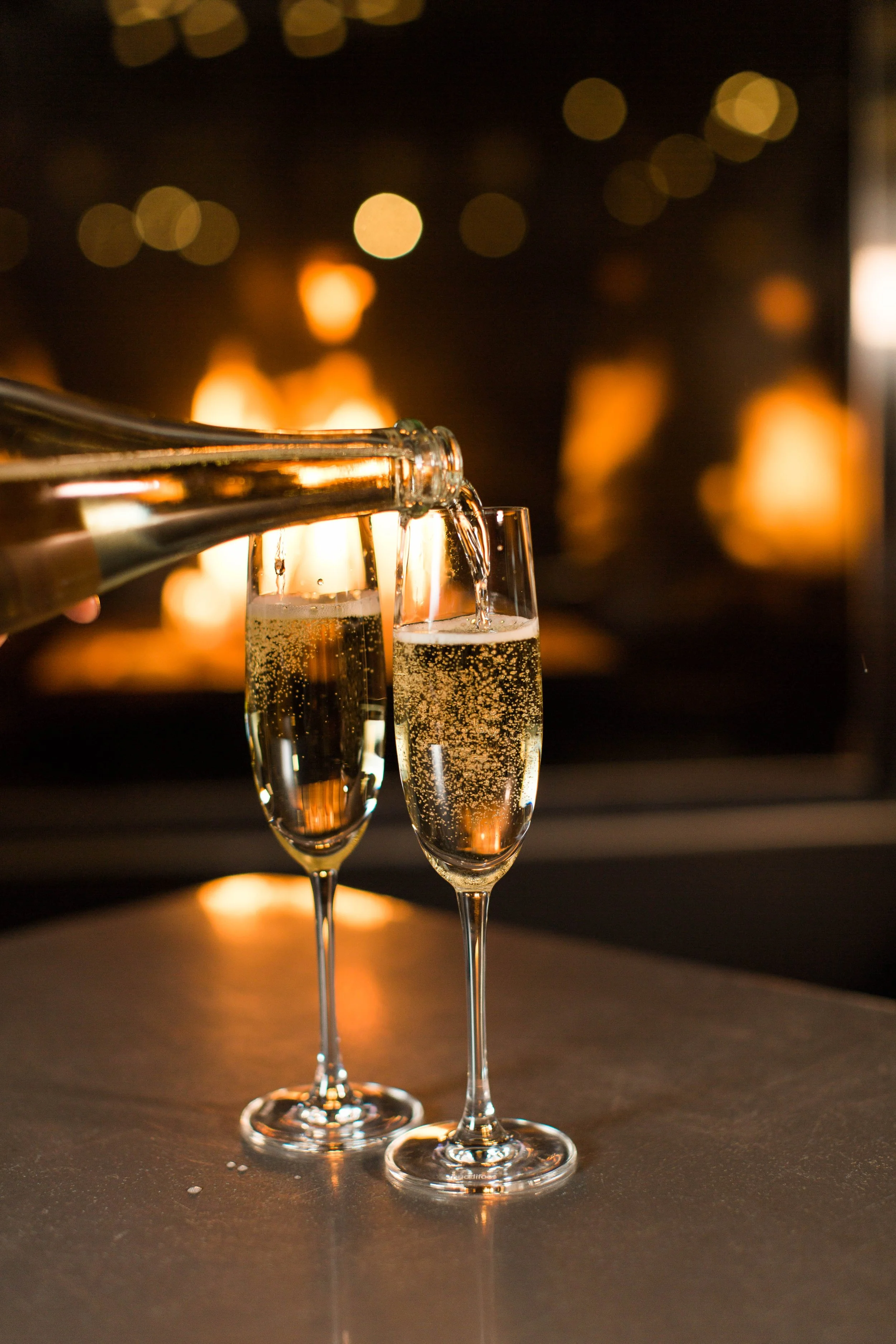
Photo credit: Wines of British Columbia
Of all the wonderful styles of wine that exist and grace our palates throughout the year, none is more synonymous with celebration and holidays than sparkling wines. They are ubiquitously associated with festivities, milestones, and luxury. In an upper tier class of their own, however, are those made by what’s known as the Traditional Method.
Also known as Méthode Traditionelle or Méthode Champenoise, this includes Champagne and regional Crémants of France, Cava from Spain, and South African Cap Classique. British Columbia has the geoclimatic gifts necessary to make exceptional traditional method sparkling wines, and we leverage these with resounding success. The key to quality production is achieving sufficient ripe flavours in the grapes, while keeping sugars minimal and acidity very high. More on this to come.
How are traditional method sparkling wines made? It’s a multi-step and demanding process, with many potential pitfalls.
Step 1 - A base wine is made from grapes harvested relatively early, at optimal ripeness and acidity. This wine will be neutral, dry, and very tart, with 10-11% abv.
Step 2 - The base wine is blended with wines from different parcels, vineyards, or even other vintage reserves. [Wines made from a single year’s harvest will have the year on the label. Multi-year blends are referred to as Non-Vintage; you may see NV on the bottle. In the absence of a year printed on the label, assume it is non-vintage.] The final blend is bottled along with an elixir of wine, sugar, yeast, yeast nutrients, and a clarifying agent. This kicks off a secondary fermentation in the bottle.
Step 3 - As fermentation progresses, the final alcohol level will increase by 1-2% and the suspended yeast cells die and sink in the bottle, undergoing autolysis. Aging on the lees (en tirage) will continue for as long as the producer intends. This process imparts bready, yeasty, biscuity flavours and aromas. Longer aging allows the fruit flavour to develop further as well, giving tertiary characteristics of dried fruit, caramel, and nuttiness.
Step 4 - The expended yeast needs to be collected at the neck of the bottle, in a process called riddling. Bottles are held at a downward angle while rotated gradually. This can be done by hand or machine, the former being more labour intensive and therefore more expensive.
Step 5 - The yeast collected in the neck is frozen into a plug and ejected from the bottle during disgorgement. The volume is topped up with additional wine, and it’s here the producer has the option to add some sugar to achieve the desired balance. This is referred to as the dosage.
The wines are now ready for sale, however some producers may choose to cellar for additional months or even years before release. This will increase flavour complexity, and also the price.
Did you know? Sparkling wines are bottled in thicker, heavier glass which can withstand the high pressures inside! The ‘punt’ at the bottom provides structural integrity - and also a handy spot for an experienced hand to hold while pouring!
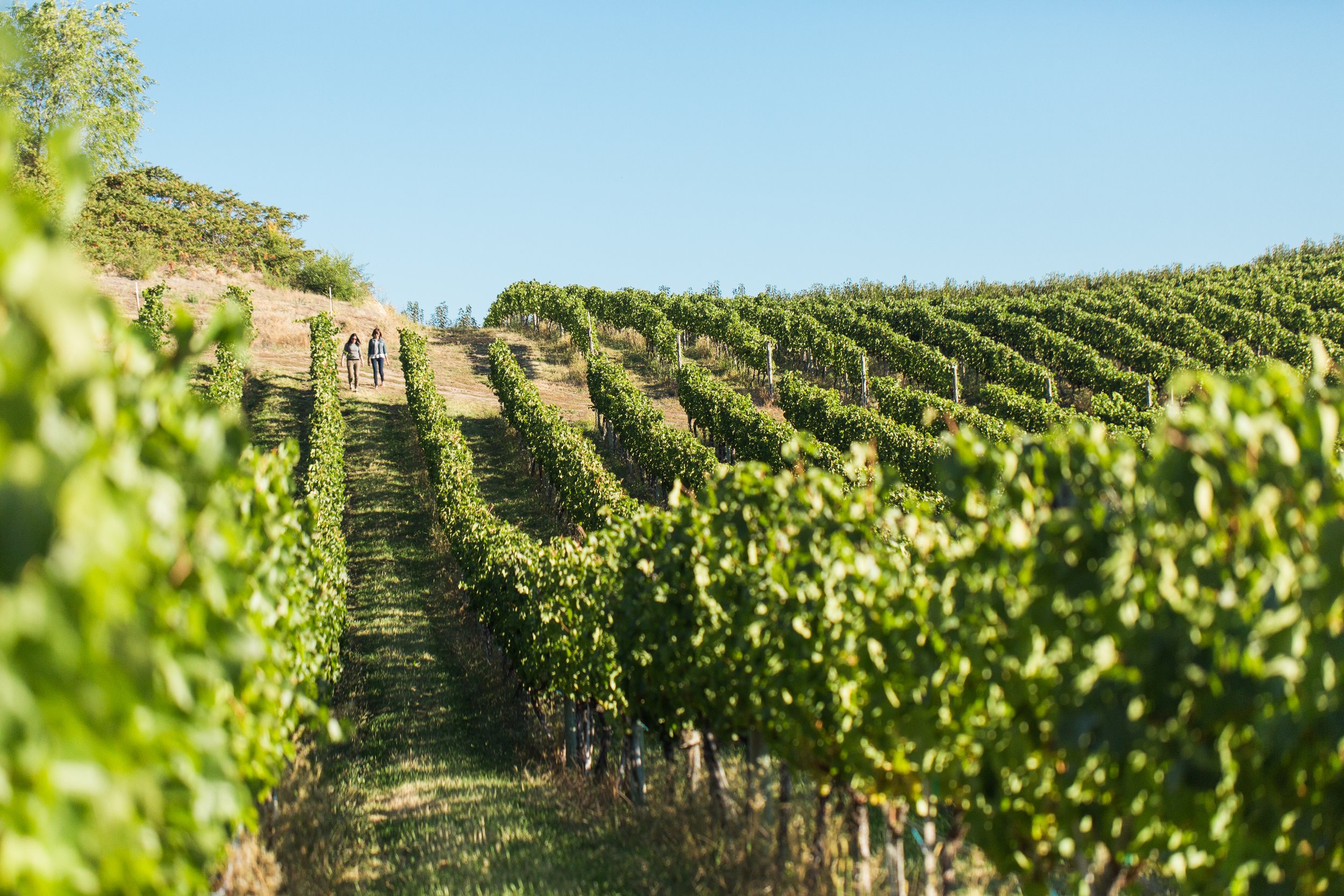
Photo credit: Wines of British Columbia
Because of the nature of this extensive production method, very ripe and sweet grapes with concentrated flavours would not be appropriate. That precludes most warm regions from producing quality sparkling wines in this way. Cooler regions excel, where grapes can be harvested with still elevated acidity and mature yet delicate fruit flavour that doesn’t taste green or under ripe. This is why BC sparkling wines are so good! Areas like Lake Country, Summerland, Peachland, Okanagan Falls, and Vancouver Island produce spectacular sparklers due to their geography and climate.
Since wines undergo a secondary fermentation, lees aging, and potentially further bottle aging, it’s important to use grapes that do not provide lots of intense and complex aromatics. That’s why the royal three perpetually reign in this domain: Chardonnay, Pinot Noir, and Pinot Meunier. Wines made with 100% Chardonnay are called Blanc de Blanc, and if only the latter two are used, then you have a Blanc de Noir. Pink versions can be made either with some skin contact of the black grapes during the first fermentation, or by blending white and red base wines before the bottle fermentation.
So now that we understand what goes into a traditional method sparkling, we can understand what differences you will notice in the wines. The types of grapes used will affect the body and flavour base. The length of aging on lees will determine how much autolytic character you get, and additional cellaring time after disgorgement will also allow for more complex flavour development. Lastly, the level of dosage will affect the final balance, body, and mouthfeel. More and more producers are opting for zero dosage today, as they focus on precise fruit flavours and balance at the time of harvest, and consumer preference trends towards dryer styles.
Speaking of dry, you may see some different terms on the bottle which refer to the level of sweetness. There are no labeling regulations for this in Canada. But generally, if you want a dry wine, look for ‘Brut,’ ‘Brut Nature,’ or ‘Zero Dosage.’ If you're looking for a little bit of sweetness, terms like ‘Sec,’ ‘Demi-Sec,’ and even (confusingly) ‘Extra Brut’ or ‘Extra Dry’ indicate higher sugar levels - but it’s best to ask an associate if you’re not sure.
Below are my reviews for 10 fabulous Traditional Method Sparkling Wines from BC producers, who kindly provided the wines for this article on request.
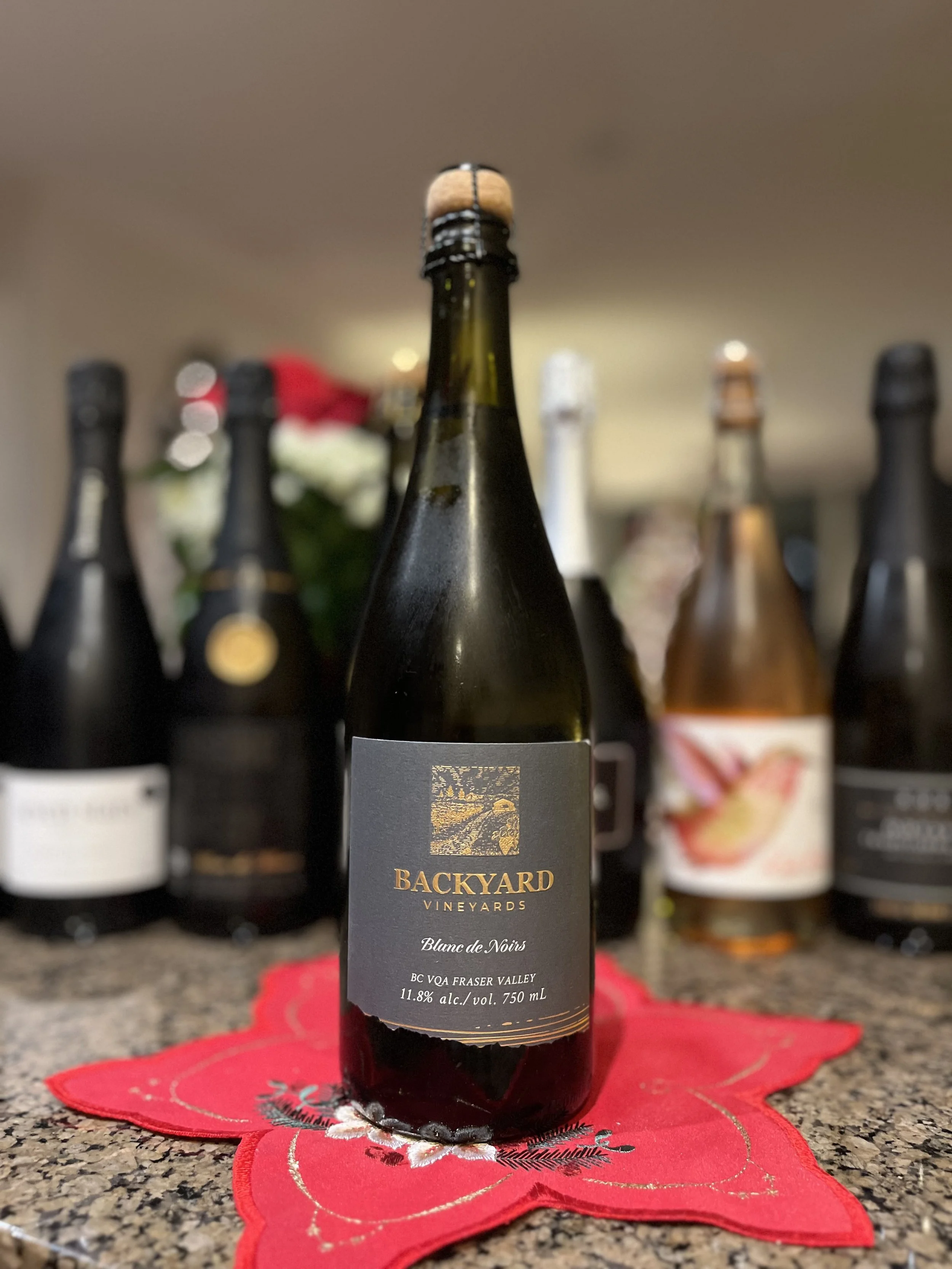
Backyard Vineyards Blanc de Noir (NV) - $60
Mostly 2021 base wine from 100% Fraser Valley whole-cluster pressed Pinot Noir go into this bottling, which is aged for almost 3 years on the lees, disgorged in December 2024. The dosage is noticeable, creating a very approachable balance that’s still dry. Leading with cherry, blossom, red apple, brioche, and candied peel, there are all kinds of nice things going on here. A very attractive style, crowd pleasing and well positioned among the surprisingly numerous Fraser Valley sparkling wines of high quality.
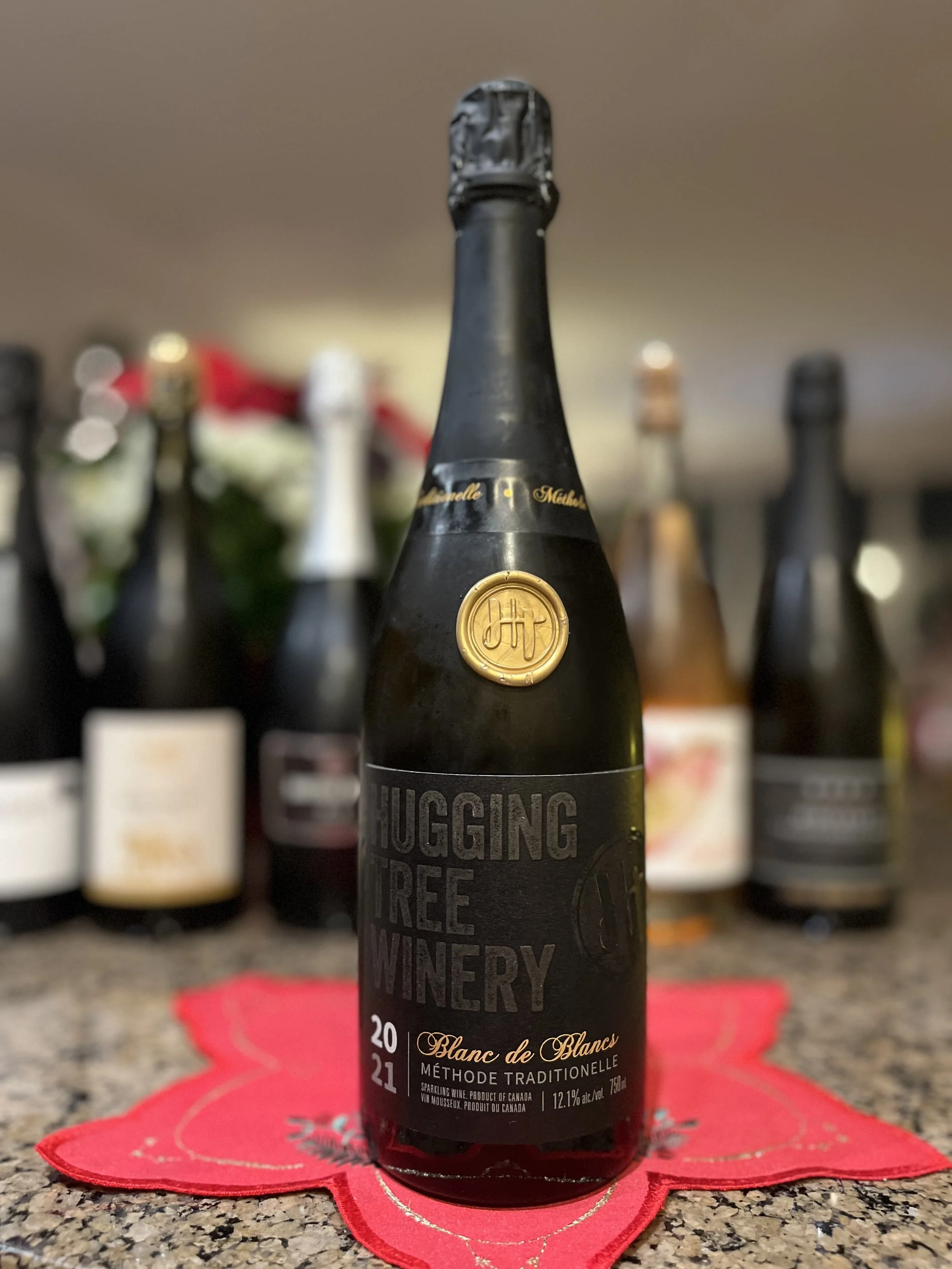
Hugging Tree 2021 Blanc de Blanc - $38
Chardonnay from Riverbank Vineyard in Keremeos is whole-cluster pressed and aged on primary lees for 12 months. Once bottled for the second fermentation, it rests another 24 months before disgorgement. Going single-vineyard on a single-vintage traditional method sparkler is taking a risk, but winemaker Bradley Makepeace must sleep well knowing the reward in this bottle. The nose opens expressively with citrus, flaxseed, and a compound butter of rosemary and sage. The heat of ‘21 left an upside down pineapple cake - call it a ‘house-warming’ gift. Overall, it’s an elegant and savoury style that doesn’t overdo the oxidative character - creamy yet tangy, leesy, and concentrated citrus peel, resting on a bed of lemon and rocks. All it needs is fresh shucked oysters, with nothing else.
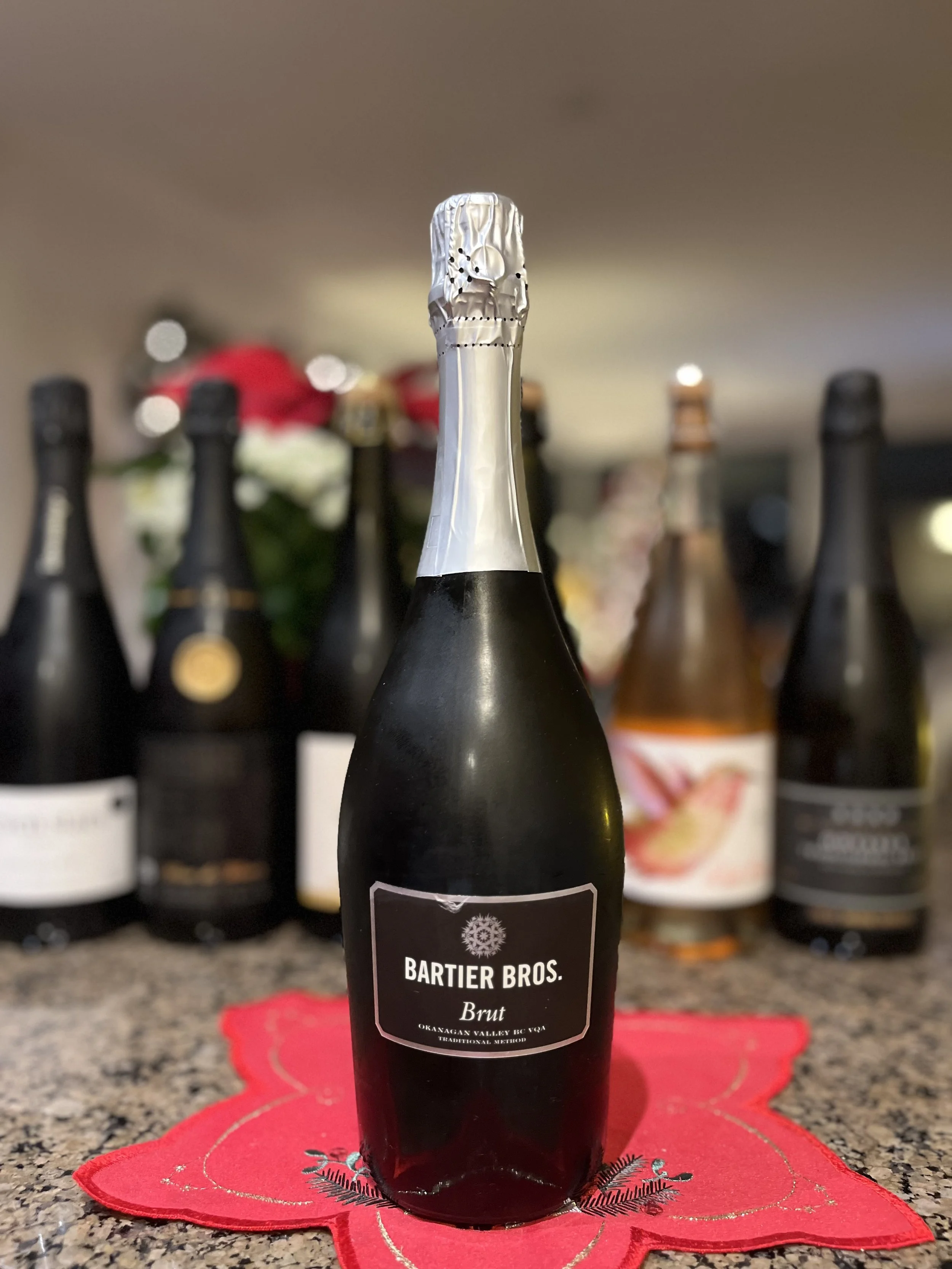
Bartier Bros Brut (NV) - $34.99
Some reserve wines are blended into this non-vintage Brut that’s all Chardonnay from Penticton and Peachland. After a minimum of 12 months en tirage, there is zero dosage - because the natural juiciness was already there. There always seems to be a lesson in Michael Bartier’s wines. Nothing fancy, just everything done right from start to finish, for a well made wine at good value. Classic champagne markers are here, with zingy green apple, dried lemon peel, and custard bread. An excellent go-to sparkler to keep stocked.
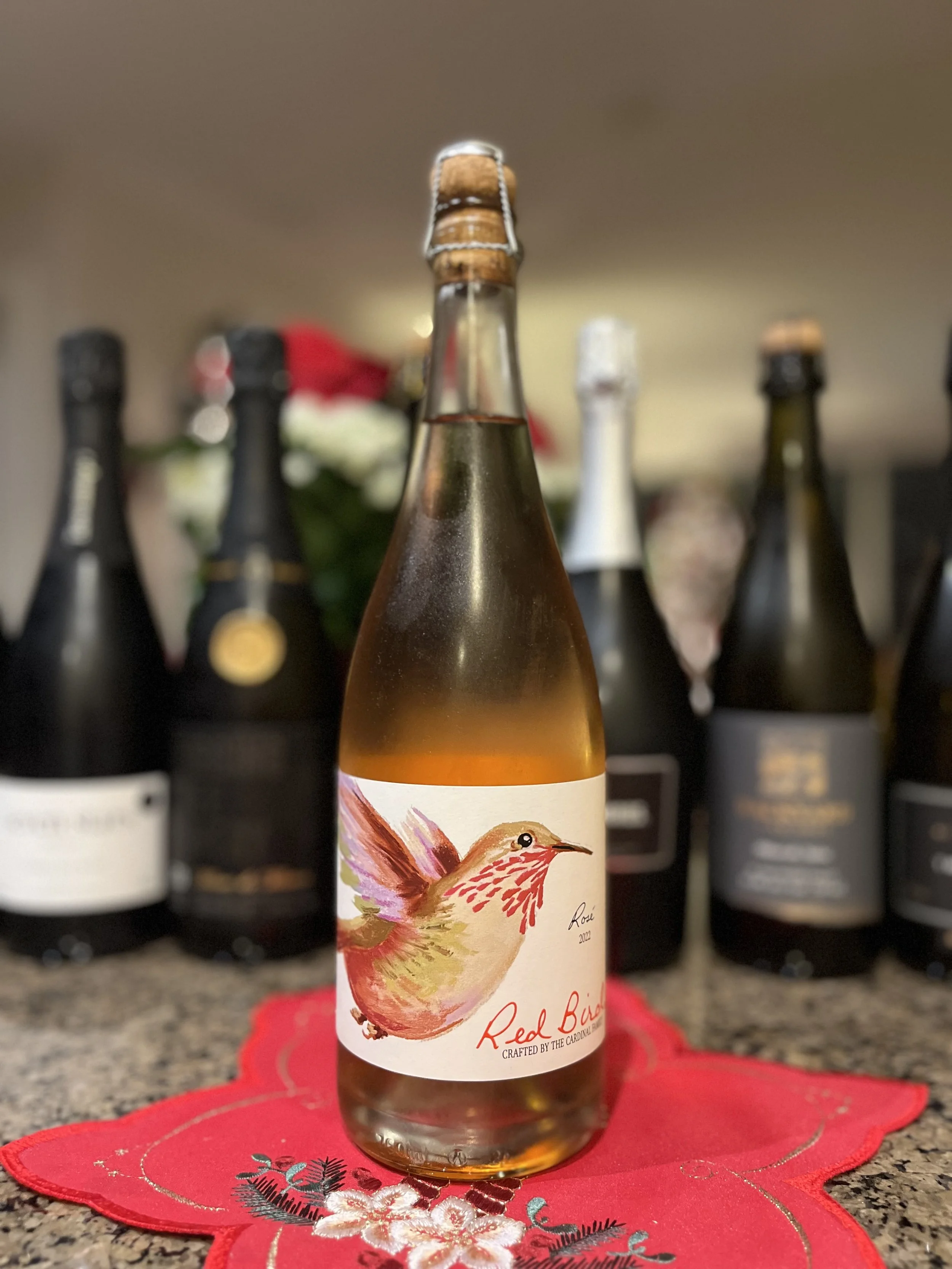
Red Bird 2022 Sparkling Rosé - $39
Hand-harvested Pinot Noir from Creston, BC is whole cluster pressed and fermented in stainless steel. After full malolactic conversion, it rests on lees for 24 months. Within the pale salmon hue are loads of fresh strawberry, tart raspberry, and red apple, accented by those 2 years of autolytic bakery aromas. Tart fruit, and fruit tart! Soft on the nose, and ripe Kootenay acidity on the palate for easy pairing with your whole holiday spread.
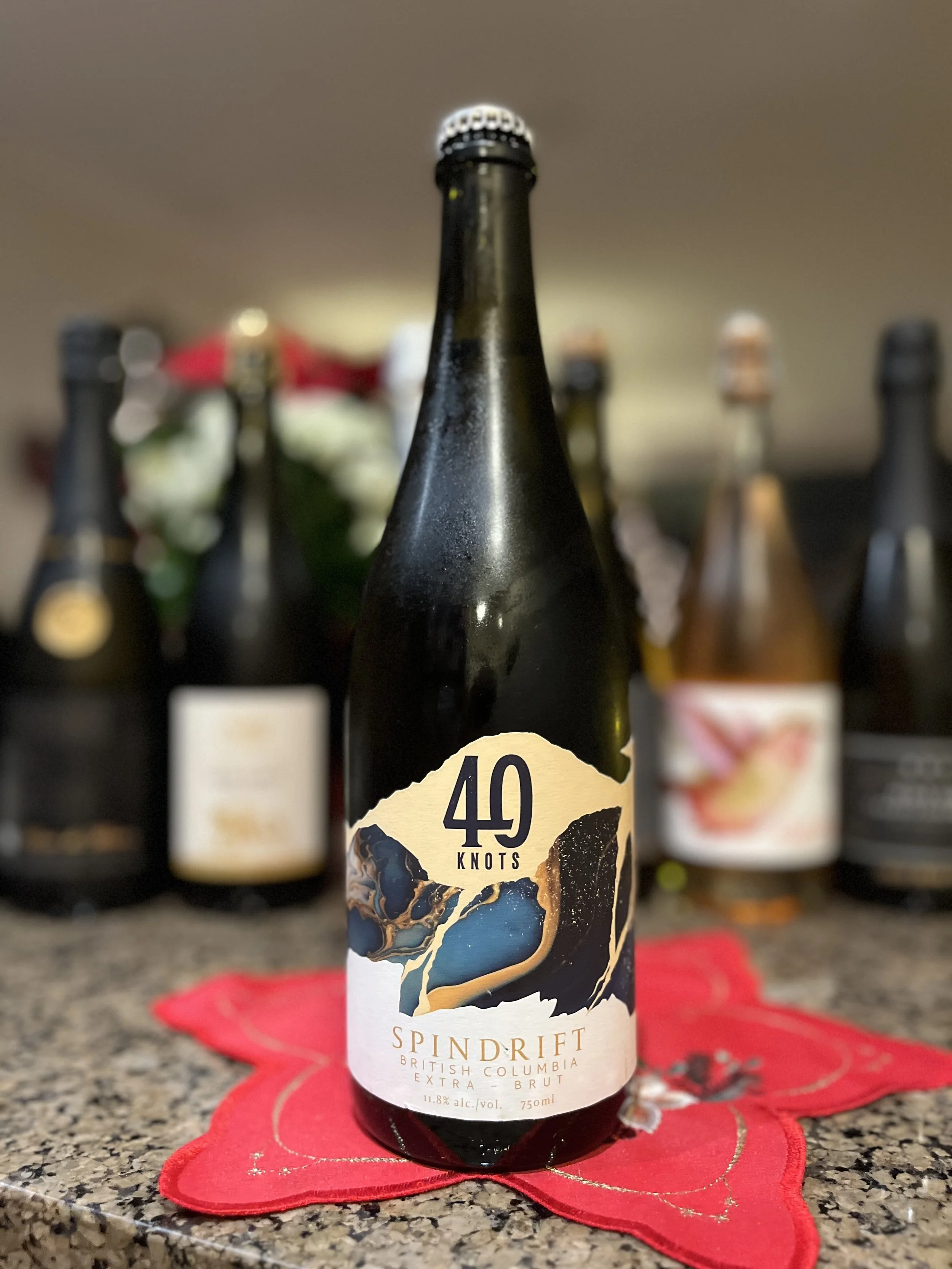
40 Knots 2021 Spindrift - $47
Proudly made of sustainably farmed, 100% Comox Chardonnay and Pinot Noir, with just under 2 years en tirage. It is finished Extra-Brut, so you can expect an off-dry style. The personality here is eccentric but still warm, clear and bright. Aromas are delicate and pure, yellow apple and plum with fresh citrus and crusty baguette. A balanced sweetness fills out a breezy, sea air quality to the palate. The long, ripe and lemony finish calls for another sip.
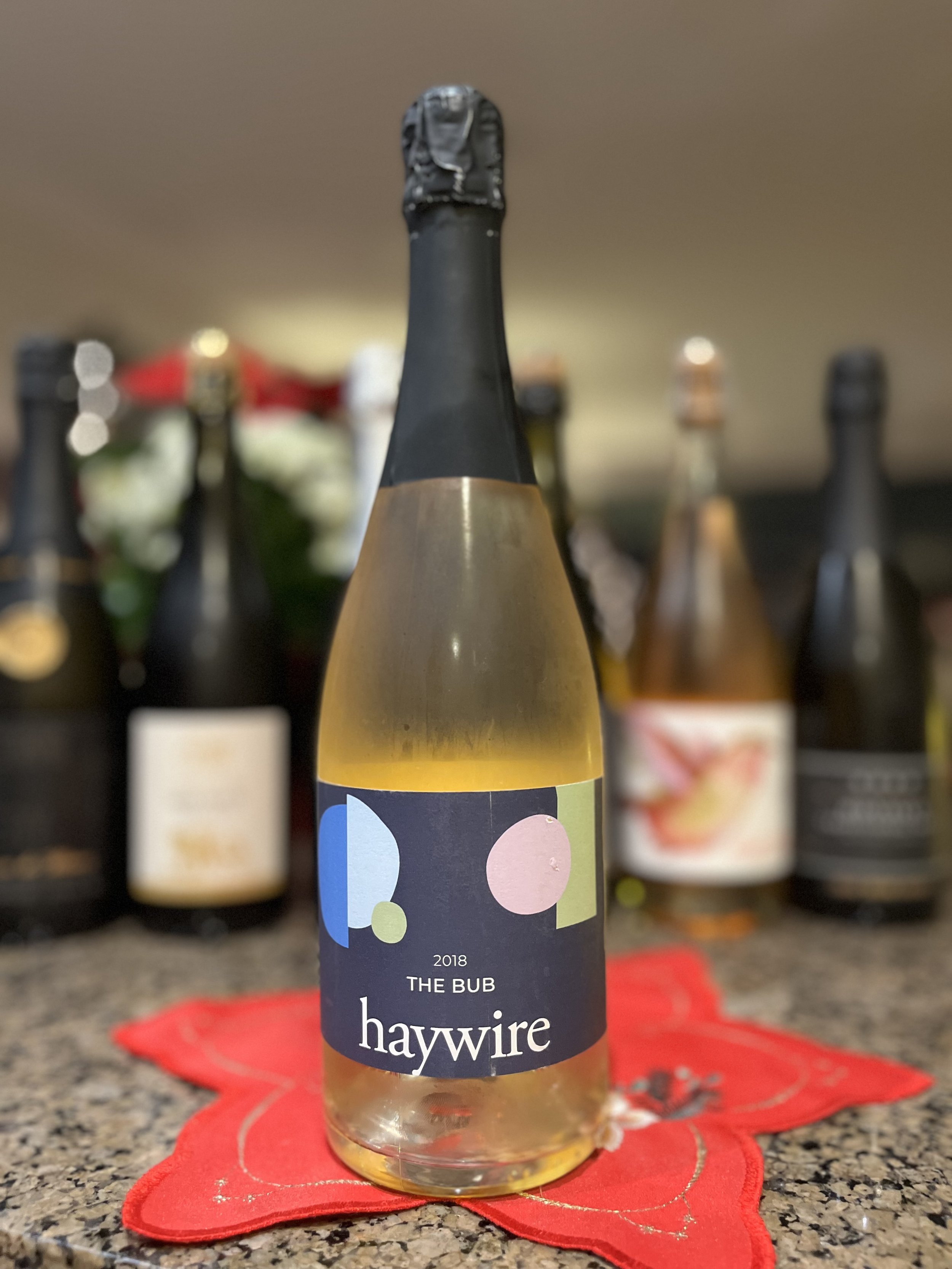
Haywire 2018 The Bub - $34.99
The 2018 Bub is 64% Chardonnay and 36% Pinot Noir from Oliver and Summerland. The first fermentation is in concrete tank, followed by 30 months en tirage. Wild and racy is the theme. Straw bales, lemon pith, dried citrus peel, and white mushroom have the oxidative needle pushed to the max. There’s no taming this high octane sparkler. If pairing with the usual oysters, make ‘em punchy with mignonette, tabasco, etc.
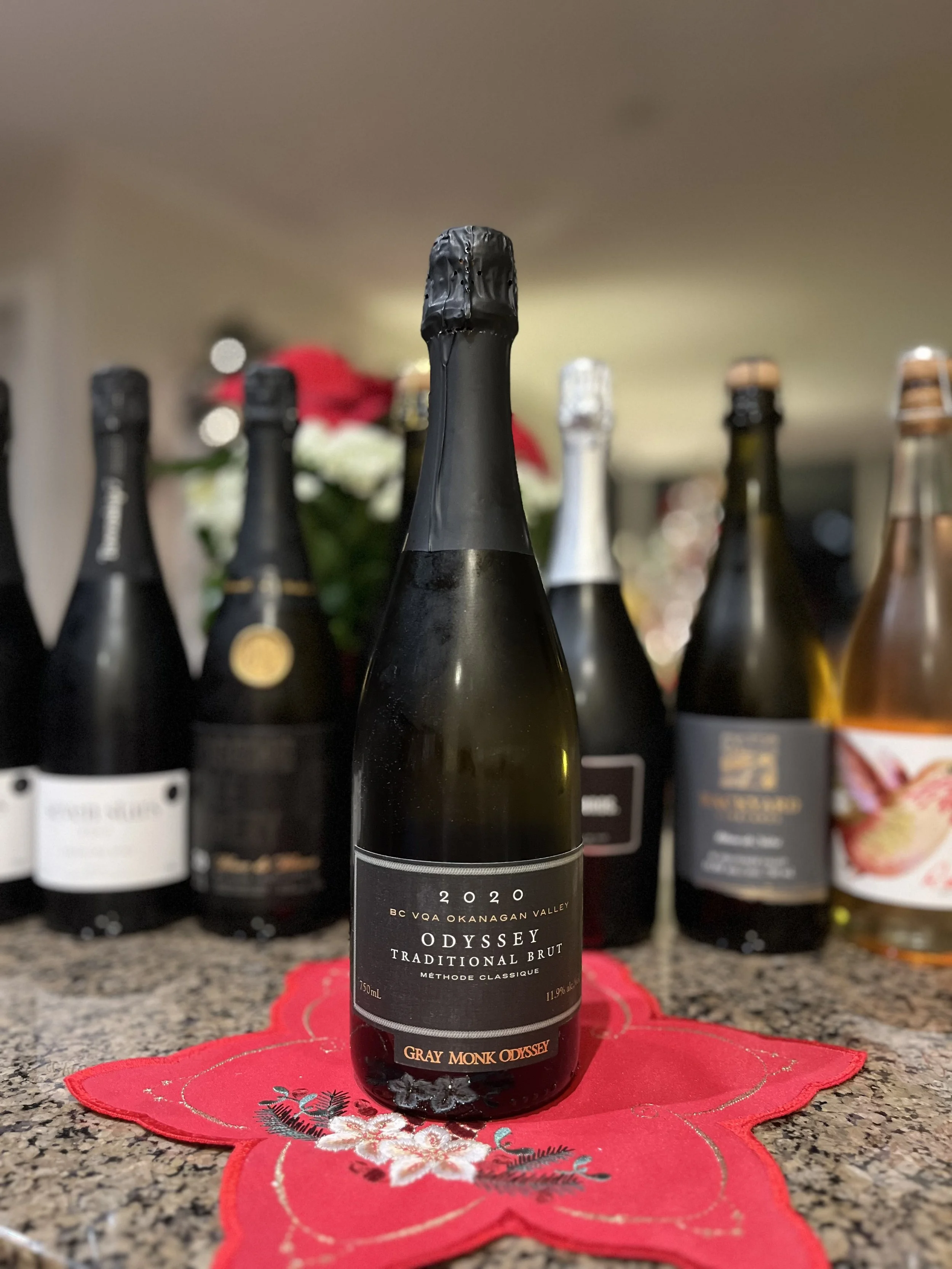
Gray Monk 2020 Odyssey Brut - $34.90
An even split of Chardonnay, Pinot Noir, and Pinot Meunier from the Kelowna region. Bottles were aged 25 months sur lie and receive dosage. Soft and bakery fresh, the tart apple and lemon get cozy with almond biscotti in a plump and cordial body. It’s a smooth, easy sailing all the way through to a creamy finish. An easy recommendation for a BC sparkling wine that’s broadly appealing but with some refined qualities, and at the $35 price point sweet spot.
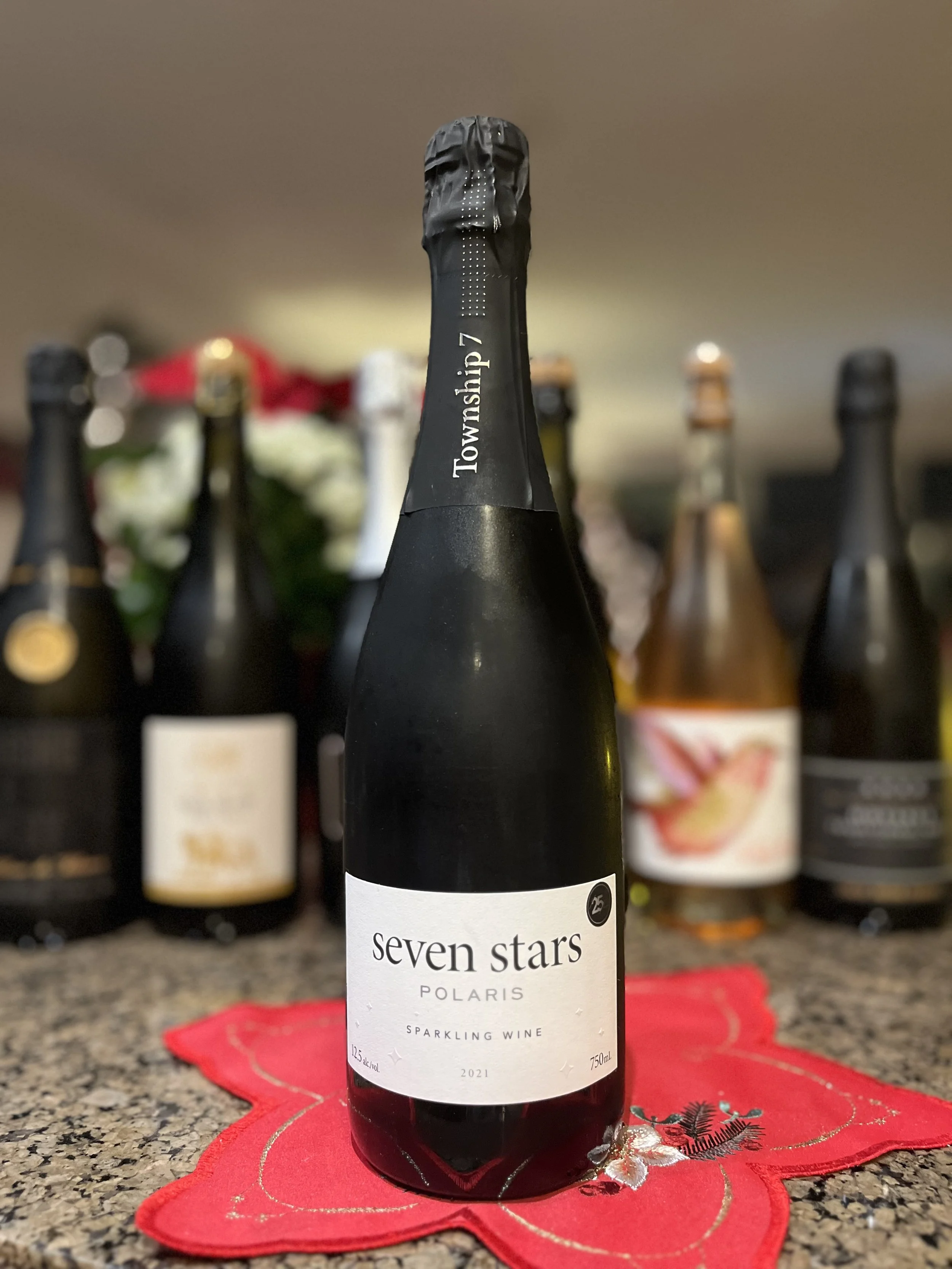
Township 7 Seven Stars 2021 Polaris (Gold, National Wine Awards of Canada) - $39.97
Winemaker Mary McDermott’s attention to detail and exquisite craftsmanship have propelled the Township 7 sparkling program into orbit. The Polaris is a Blanc de Blanc of Chardonnay from North Oliver and Naramata, aged en tirage for 21 months. Following disgorgement, dosage is added, and bottles are aged 18 months further before release. The North Star is not particularly bright, but this wine is, illuminating us all with a fresh lemony brioche glow. It twinkles with brilliance, showing both ripeness and structure from a hot vintage. Ready to pop now, but will benefit from further cellaring.
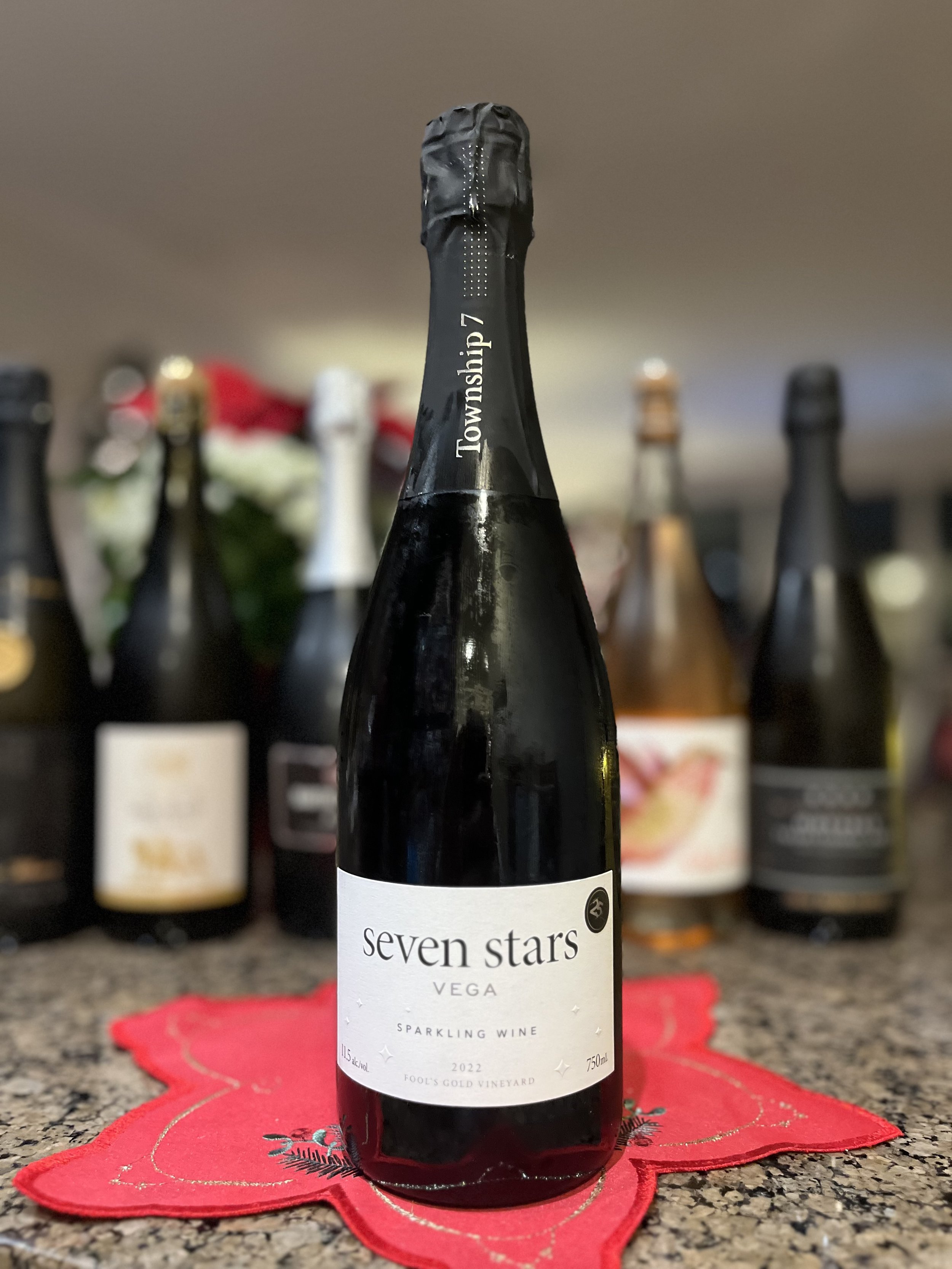
Township 7 Seven Stars 2022 Vega - $34.97
Truly one of a kind in BC, Vega is a traditional method sparkling wine of Viognier from a single vineyard in North Oliver. After 12 months en tirage, it is disgorged and the dosage sets the final off-dry balance. Viognier is seldom used for méthode champenoise, but there is ample acidity here and the varietal aromatics put on their ballet slippers for a graceful performance. The subtle mandarin, peach, and florality add exotic elegance to a sugar cookie backdrop. It remains bright, like its namesake, through the zesty, honeyed finish.
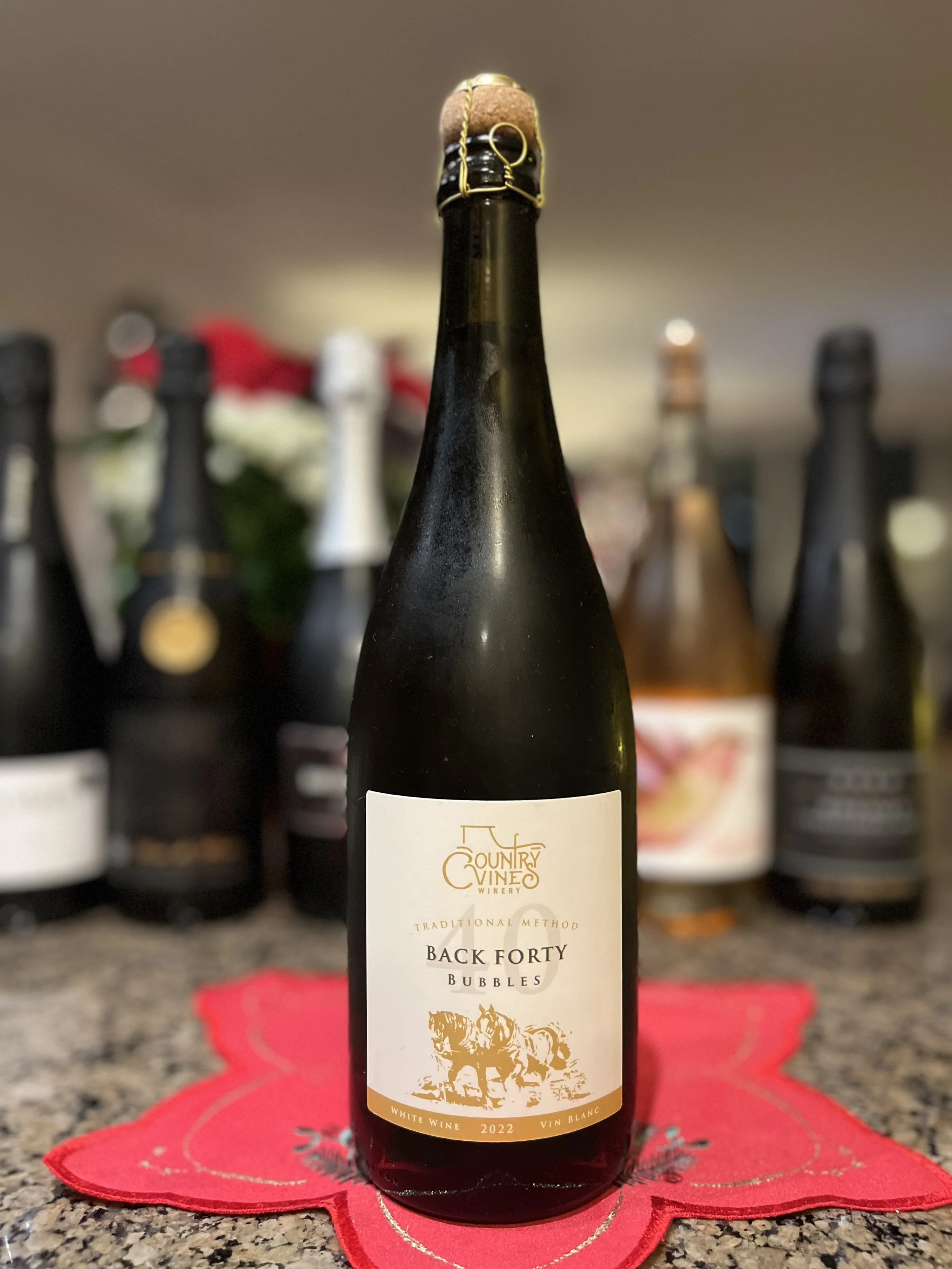
Country Vines 2022 Back Forty Bubbles - $29.99
Another unique BC traditional method sparkling wine made from Schönburger grown on the Richmond estate. It spends 1 year en tirage. The very fruity bouquet of pear, kiwi, and honeysuckle in this Germanic varietal leads the entry and completes the finish, with some buttery pastry helping to create a kind of tropical-filling Danish. It’s a light bodied, off dry and aromatic sparkler with the added elegance and complexity of traditional method, and at great value.
Final thoughts
Sales of sparkling wines remain much higher than even just 10 years ago, indicating the public’s increasing comfort with this style of wine as standard table fare. We might spend a bit more on a fancier bottle around the holidays, but more and more we are reaching for these wines for everyday enjoyment. That’s a good thing, and it tells producers that what they’re doing is really working.
When you raise a glass to make a toast this season, you can’t go wrong with a BC sparkling wine made with the care and dedication required of the traditional method. They are prized for their refreshing, zippy acidity, complexity and elegance of flavour, while remaining approachable and fun.
Whatever you decide to drink, enjoy the experience the wine brings you, and share it with others. Happy Holidays everyone, and have a wonderful New Year!
Blog post written by: Matt Tinney, Contributor, uncorkBC